Since 2026 the My Regiment UK format for 9 May runs on two paths — a flower-laying ceremony at the Soviet War Memorial in London at 10:00, and a virtual march UK-wide. This guide walks through both, from registration to the day itself.
Since 2026, the My Regiment UK format for 9 May has settled into two complementary paths: a flower-laying ceremony in London for those who can attend in person, and a virtual march that anyone can join from anywhere in the United Kingdom. Both are open to everyone — no registration fee, no political affiliation required, no dress code beyond what feels right.
This guide walks through what to do before the day, on the day, and afterwards — so that participation feels prepared rather than improvised.
What the day looks like
Two paths run in parallel on 9 May:
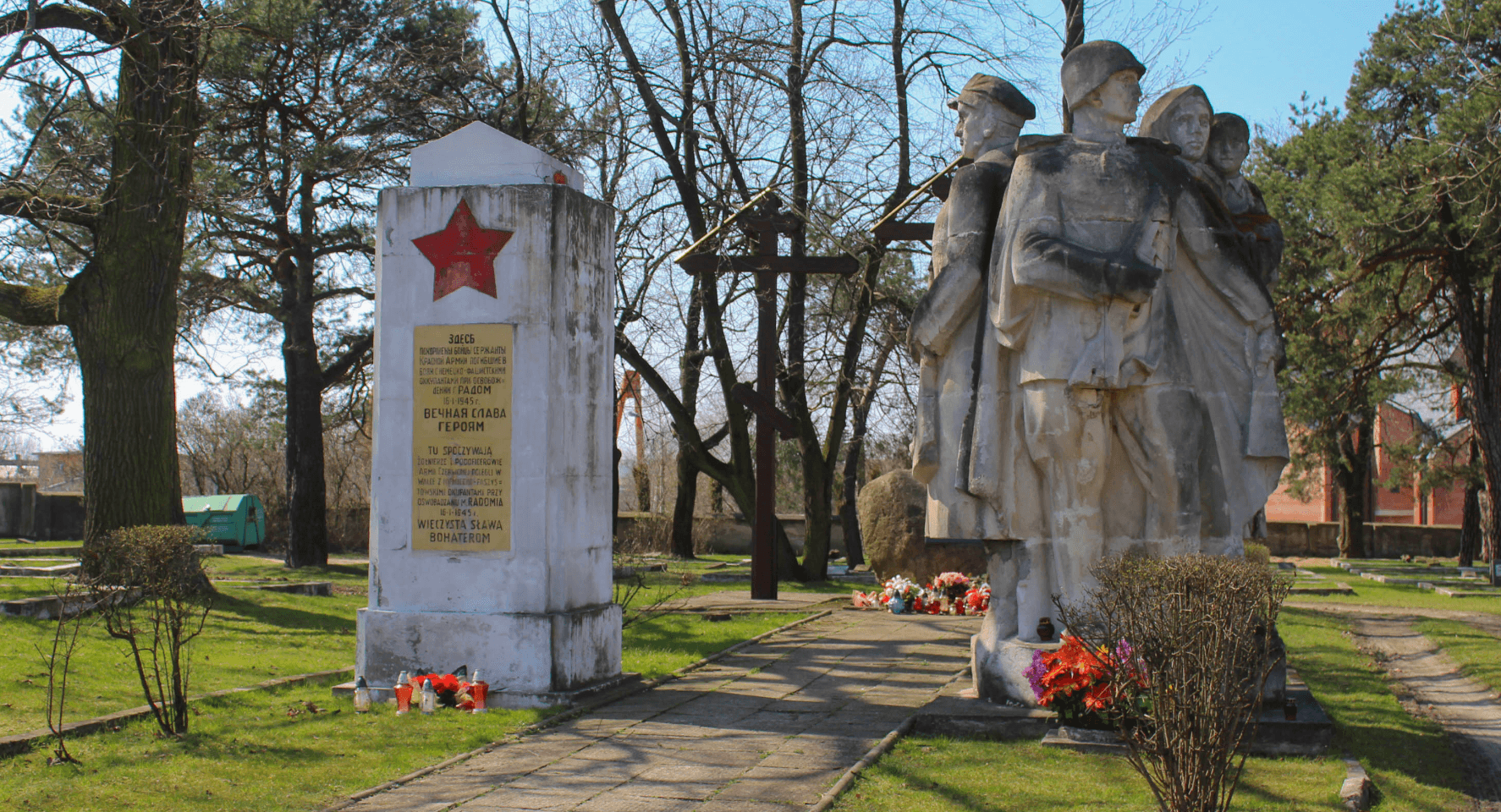
- The London ceremony. At 10:00 a wreath-laying ceremony takes place at the Soviet War Memorial on Lambeth Road, in the park next to the Imperial War Museum. Diplomats from nine countries — Armenia, Azerbaijan, Belarus, Kazakhstan, Kyrgyzstan, Russia, Tajikistan, Turkmenistan, Uzbekistan — and members of the Russian-speaking community lay wreaths and flowers. British neighbours come to pay their respects. The atmosphere is restrained: no speeches over loudspeakers, no procession, just a minute of silence and time spent at the memorial.
- The virtual march. Families across the UK who cannot reach London register their veteran on this platform and take part from where they are: lighting an online candle, sharing the veteran''s portrait, gathering family around the photograph at home.
Neither path is "more" than the other. Both are part of the same act of remembrance, on the same day.
Before the day — register the veteran
If your family member has not yet been added to the My Regiment UK registry, the first step is creating a memorial profile. The minimum is a name and an approximate birth year — that is enough to start. From there you can add a photograph, military rank, unit, biography, and bilingual content for both Russian and English readers.
Registration takes a few minutes. Volunteers review and approve new entries within 24-48 hours. See the step-by-step How to Add Your Veteran in 5 Minutes for the full walkthrough.
Before the day — print the portrait
The portrait carried at the ceremony — or held by a family member at home during the virtual march — is the central object of the day. There are two paths:
Laminating the portrait is a sensible step in the UK — the weather on 9 May is unpredictable.
On the day — in-person ceremony
If you are attending the London ceremony:
- Venue: Soviet War Memorial, Lambeth Road, London SE1 6HZ — in the park beside the Imperial War Museum.
- Time: 10:00 on 9 May. Aim to arrive 15-20 minutes early.
- Nearest tube: Lambeth North or Waterloo.
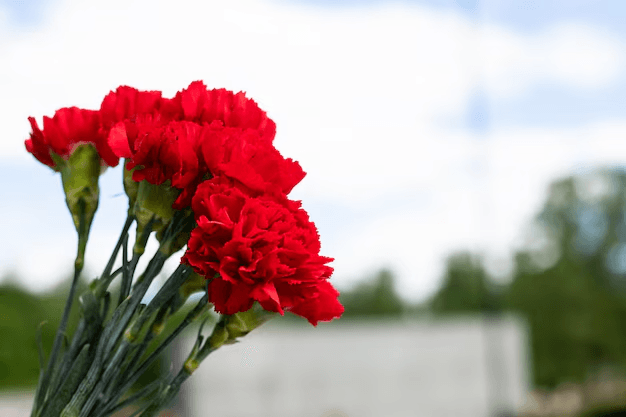
- What to bring: The portrait of your veteran, and flowers if you wish to lay them at the memorial. Carnations and tulips are traditional.
- What to expect: Wreaths laid by diplomatic delegations, then individual flower-laying. A minute of silence. People remain at the memorial for some time afterwards — no one is rushed.
Children are welcome and the ceremony is family-friendly. The most affecting moments often come from the youngest participants holding portraits of relatives they never met.
On the day — virtual participation
If you are joining from elsewhere in the UK:
- Light an online candle. Visit your veteran''s profile on this platform and use the candle button. Each lit candle remains on the page as part of the permanent memorial record.
- Share the portrait. Open the veteran''s profile and share the URL with family — across the country, or across the world. Many families gather around the photograph at home.
- Search and remember others. The registry holds names that have no one left to remember them. Lighting a candle on someone else''s profile is also a form of participation.
After the day — keep the memory active
9 May is the central day, but the registry is not seasonal. Adding a veteran, lighting a candle, contributing a photograph or document — these can happen any day of the year. The memorial at the Imperial War Museum is also open year-round and is a quiet place to visit on other anniversaries that matter to your family.
If you have material that belongs in the registry — photographs in family albums, letters, documents in old folders — the platform''s Necropolis section also welcomes research on Soviet war graves on British soil.