Memorial page · a direction of the My Regiment UK platform
Immortal Regiment
Personal and family memory through the real stories of real people. Not a parade — preserving the lives of veterans, home-front workers, resistance members, and everyone whose life was bound up with the war.
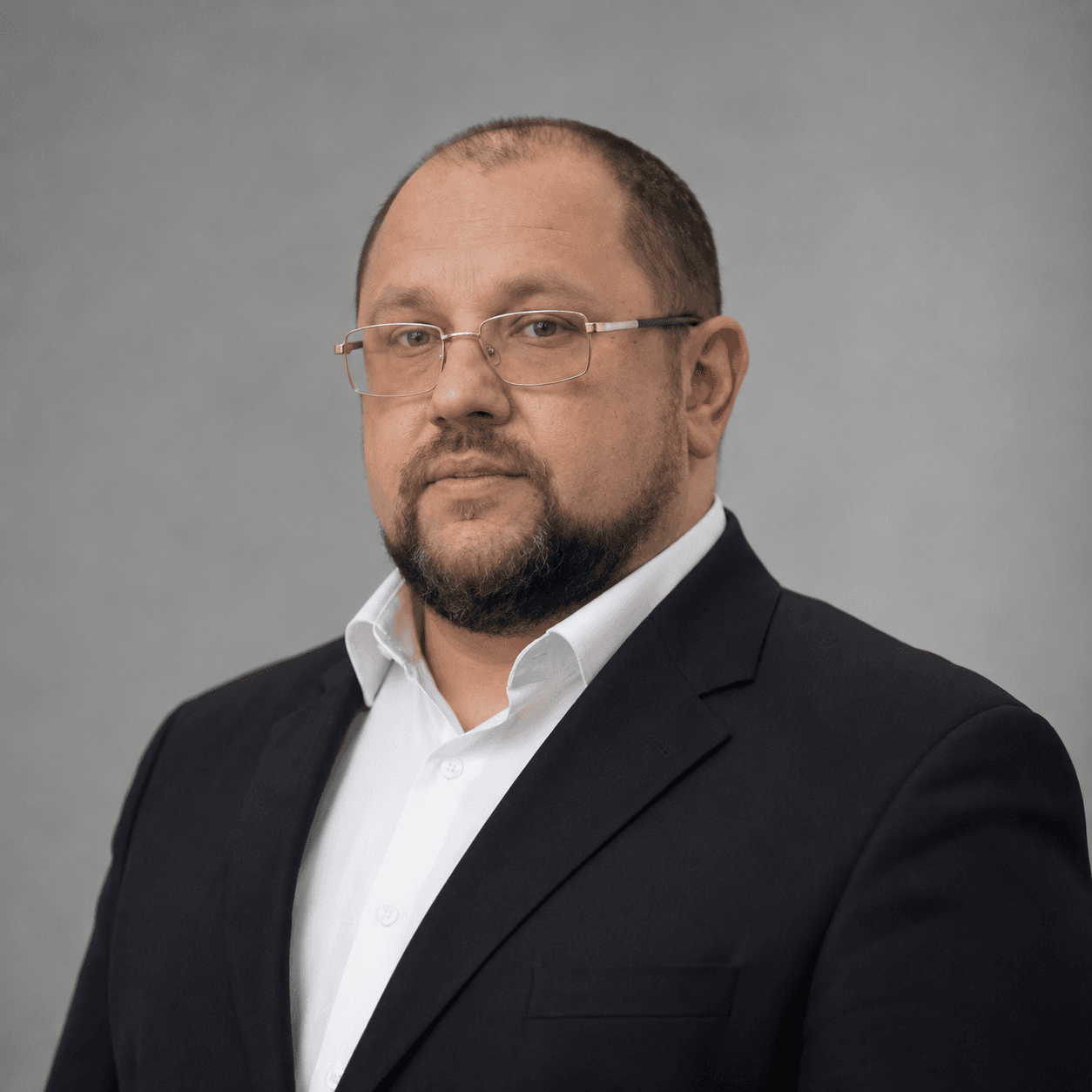
Mikhail Frolov — memory that continues
Immortal Regiment · managing lead of the My Regiment UK platform
Mikhail Frolov stood at the origins of the Immortal Regiment movement in Britain. His contribution matters not only as organisational work but as a moral mission: to keep the respect owed to the wartime generation, and to prevent specific names, faces, biographies and family stories from slipping out of public memory. Today he continues that work in a modern form, as the managing lead of the My Regiment UK platform.
What the Immortal Regiment is
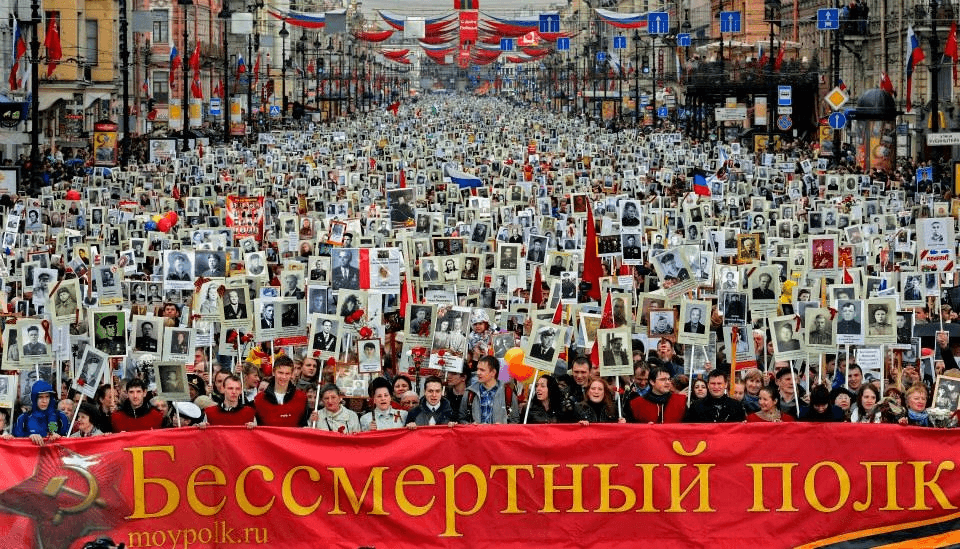
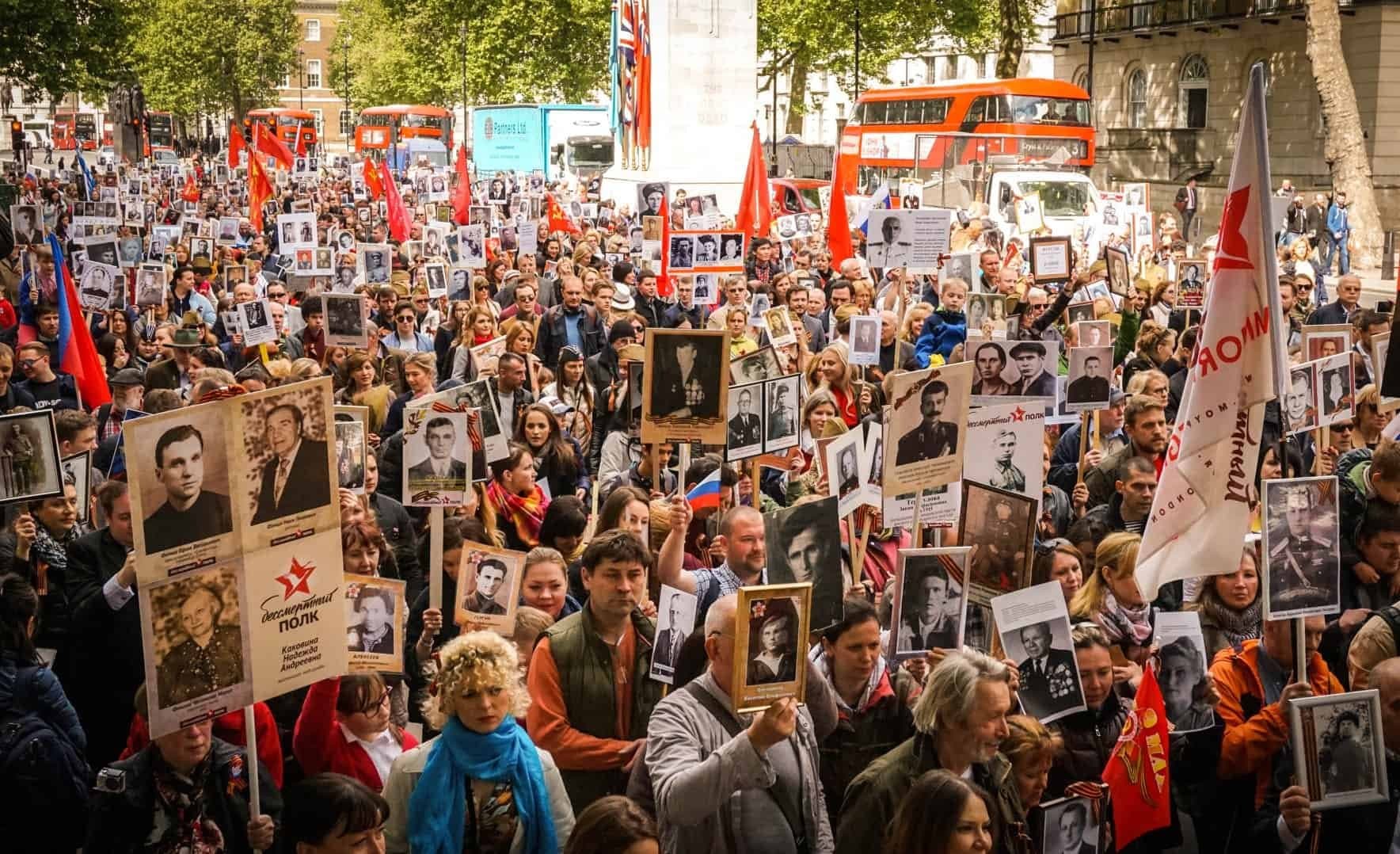
The Immortal Regiment is a civic initiative in which, every 9 May, people walk out carrying photographs of their relatives — veterans, home-front workers, resistance members, and everyone whose life was bound up with the war. It is not a parade so much as a way of preserving personal and family memory through the real stories of real people.
On the My Regiment UK platform, the Immortal Regiment is one of four core directions (alongside laying flowers at memorials, the Victory Drive, and the Necropolis research). This direction works with what neither statistics nor archives can replace — the human stories of individual families.
Origins of the movement
From Tomsk to 115 countries — how a civic idea became a worldwide tradition
The Immortal Regiment was founded in 2012 by three journalists from Tomsk — Sergey Lapenkov, Sergey Kolotovkin, and Igor Dmitriev. On 9 May that year, 6,000 residents of Tomsk walked through the city carrying portraits of their relatives — participants in the Second World War. It was the first march of its kind, born from a simple conviction: the memory of the war belongs to families, not to the state.
By 2015, more than 500,000 people walked in Moscow alone. In 2018, 10.4 million participants across Russia, with marches in over 80 countries. By 2019 the Immortal Regiment was present in 115 countries. Its online archive of veterans’ stories, the People’s Chronicle, had gathered more than 440,000 personal histories.
Timeline of the movement
First march
6,000 people walked through Tomsk carrying portraits of relatives who took part in the war.
Spread across the country
The movement reached 120 cities across Russia. The charter was formally adopted.
500,000 in Moscow
Half a million participants in Moscow alone. In London, the Immortal Regiment’s UK work begins.
6.2 million in Russia
The movement spreads to every region of Russia and to dozens of countries worldwide.
10.4 million participants
Record participation across Russia. Marches in over 80 countries. 89 regional chapters active.
115 countries
The Immortal Regiment is present in 115 countries with more than 200 international coordinators.
Charter of the movement
Six foundational principles on which the movement is built
Family memory
The Regiment’s purpose is to preserve, within each family, the personal memory of the generation that lived through the war.
Voluntary participation
Participation in the Regiment and its events is strictly voluntary. No one may be compelled to take part.
Non-commercial, non-political
The Regiment is non-commercial, non-political, and non-state. It cannot be used by any political party or commercial entity.
No corporate branding
Corporate or advertising symbols are not permitted at the march or on its materials. The Regiment stays free of commercial influence.
Not personified
The Regiment is not personified in any individual. No one owns or directs the movement — it belongs to the people.
A people’s tradition
The ultimate goal is for the Regiment to become a sustained tradition of remembrance shared by the whole people.
These charter principles are also the value foundation of the My Regiment UK platform as a whole — voluntary participation, non-political, family memory, a people’s tradition.
The Immortal Regiment in Britain
The Immortal Regiment has been part of life in Britain since 2015. Annual commemorations have taken place in London, Manchester, Edinburgh, Birmingham, and other cities, drawing thousands of participants from the Russian-speaking diaspora and their British neighbours.
Since 2026, the UK chapter has held the march in a virtual format, paired with an in-person flower-laying ceremony at the Soviet War Memorial in London (Lambeth Road SE1 6HZ) at 10:00 on 9 May. It is a way to take part from anywhere in the country — and on a shared day of remembrance.
How to take part
Every name is a specific life. Every photograph is a family story that should not be forgotten.