Thousands of women served in the armed forces, ferried aircraft, operated radar, decrypted enemy signals, and kept the home front going. A look at how women's work reshaped Britain — and why these stories must be preserved.
When World War II is discussed, the focus tends to fall on soldiers and front-line battles. But women played a huge part in the Allied victory: they served in the armed forces, worked in factories, ferried aircraft, cared for the wounded, and at the same time held families together through the war years. This article looks at the scale of women's contribution and why preserving their stories matters today.
Women in service
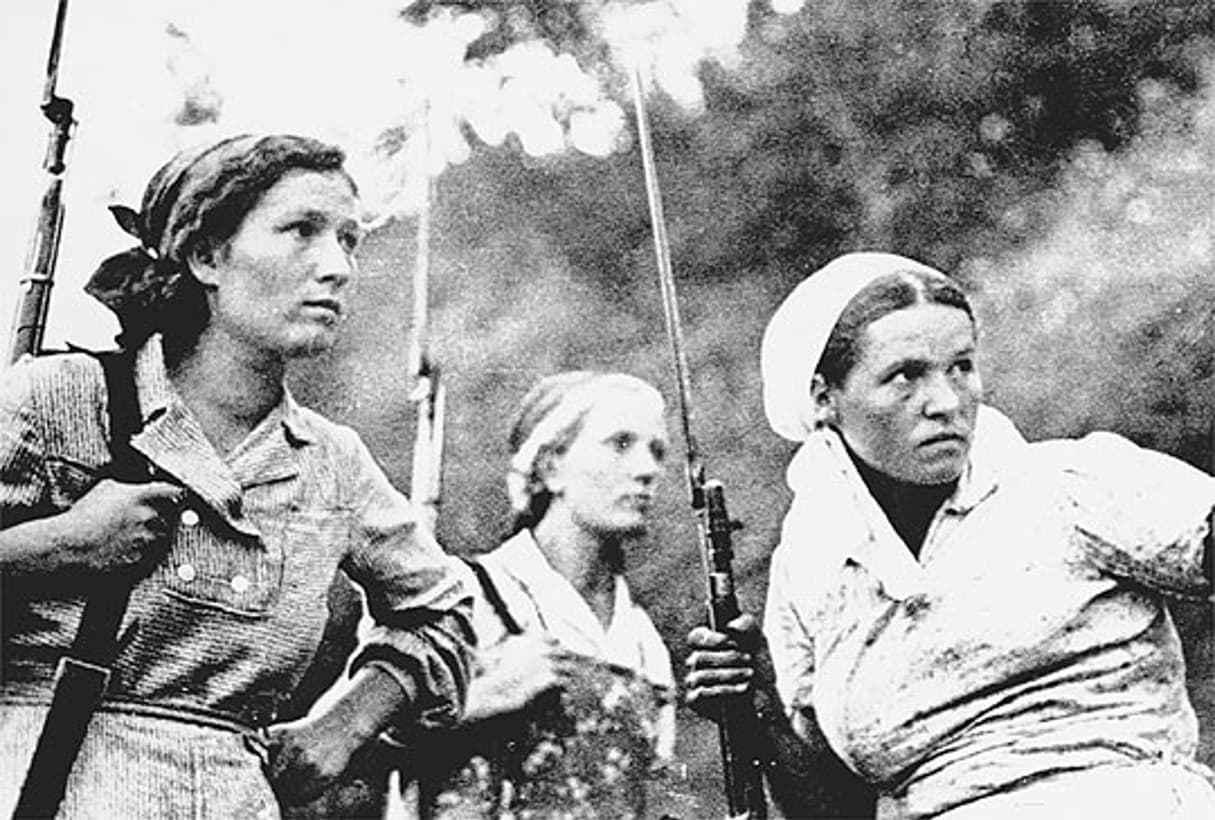
During World War II, thousands of women began serving in military units and performing roles that had previously been considered exclusively male.
One such organisation was the Women's Royal Naval Service (Wrens). Women worked in communications, logistics, and signals — handling classified data. Some served at the highly secret Bletchley Park codebreaking centre, where specialists decrypted enemy messages.
One of the most well-known early casualties was Josephine Carr from Cork, who was on board the RMS Leinster when it was torpedoed during the war.
Women in aviation
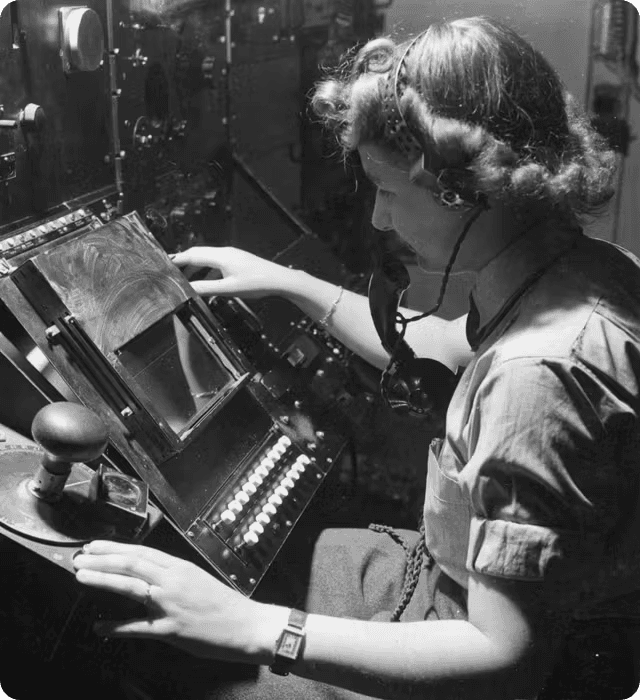
In 1939 the Women's Auxiliary Air Force (WAAF) was reconstituted. Women operated radar, maintained aircraft, and ran communications. Their work was especially critical during the Battle of Britain in 1940.
From 1940 to 1945, the Air Transport Auxiliary (ATA) ferried aircraft between factories and airfields. About 10% of its pilots were women.
The first group of women pilots, known as the "Attagirls", was led by Pauline Gower. Among those serving in the ATA was the famous aviator Amy Johnson, who was killed on duty.
Women in the army
The women's branch of the British Army was the Auxiliary Territorial Service (ATS), established in 1938. Women trained and served as drivers, mechanics, and signallers.
One of the most famous ATS members was the future Queen Elizabeth II, who during the war learned to drive trucks, repair vehicles, and work as a mechanic.
Women on the home front
During the war women began working in large numbers in factories, shipyards, and engineering workshops. They became welders, mechanics, and munitions workers.
The war years significantly changed society's attitude toward women's labour. Many professions that had previously been considered "men's work" became open to women during this period.
At the same time, women still bore responsibility for their families. They raised children, cared for elderly relatives, coped with food shortages, and endured the absence of loved ones who had gone to the front.
Why women's contributions matter
The stories of wartime women are not only part of the history of the war, but also a record of strength, responsibility, and the ability to adapt under extreme pressure.
It was largely thanks to women's work that factories, the armed forces, medicine, and transport kept functioning. Many women made huge contributions to victory while remaining in the background of history.
Preserving these stories helps us better understand the role of women in society and shows how, in difficult times, ordinary people are able to change the world around them.
How to preserve the memory of women heroes
Today it is especially important to preserve the stories not only of well-known heroes, but also of ordinary women whose lives were shaped by the war. On moypolk.uk you can find profiles of women veterans, read their stories, and learn more about the wartime generation.
Users can also add their own female relatives to the registry of memory — front-line participants, home-front workers, nurses, or factory workers — preserving their photographs and family histories.
You can also honour the memory of these heroines by lighting an online candle in any veteran's profile, contributing to the preservation of historical memory for future generations.