Britain in World War II — from the declaration of war in 1939 to VE Day: the Battle of Britain, El Alamein, Normandy, and the human cost paid by millions of British families.
The Second World War was one of the hardest periods in British history. The country endured air raids, naval battles, economic crisis, and enormous human losses — yet played one of the central roles in the Allied victory. This article gives a concise overview of the key events and explains why preserving the memory of the people who lived through that time still matters today.
The outbreak of war
On 3 September 1939, Britain declared war on Germany after the invasion of Poland. Following the fall of France in 1940, Britain became one of the few European countries still resisting Nazi Germany.
The Battle of Britain
One of the war's defining moments was the Battle of Britain in 1940. Germany planned an invasion of the British Isles, but British pilots, air-defence systems, and radar managed to stop the massed aerial attacks.
Victory in this battle thwarted the German invasion plans and became the first major defeat for Germany in World War II.
Alliance with the US and the USSR
After Germany attacked the USSR and the United States entered the war, the anti-Hitler coalition was finalised: the USSR, the US, and Britain became the principal allies.
In December 1941 the Anglo-American "Arcadia" Conference in Washington began coordinating joint military operations. Zones of responsibility were later divided: Britain took the Middle East and the Indian Ocean, while the US led in the Pacific and Australia.
Australia drifted further under American influence at this time. In March 1942 General Douglas MacArthur arrived to lead Allied forces in the region.
Battles in Africa and Asia
Britain was actively engaged in North Africa, where defending Egypt and the Suez Canal was a strategic priority. One of the key victories was the Battle of El Alamein in 1942, under the command of British General Bernard Montgomery.
In the Far East, British forces faced the Japanese advance. After the fall of Singapore, the Japanese army pushed into Burma, threatening India. Fighting also continued in the Indian Ocean, where the British fleet suffered serious losses.
The Normandy landings and the end of the war
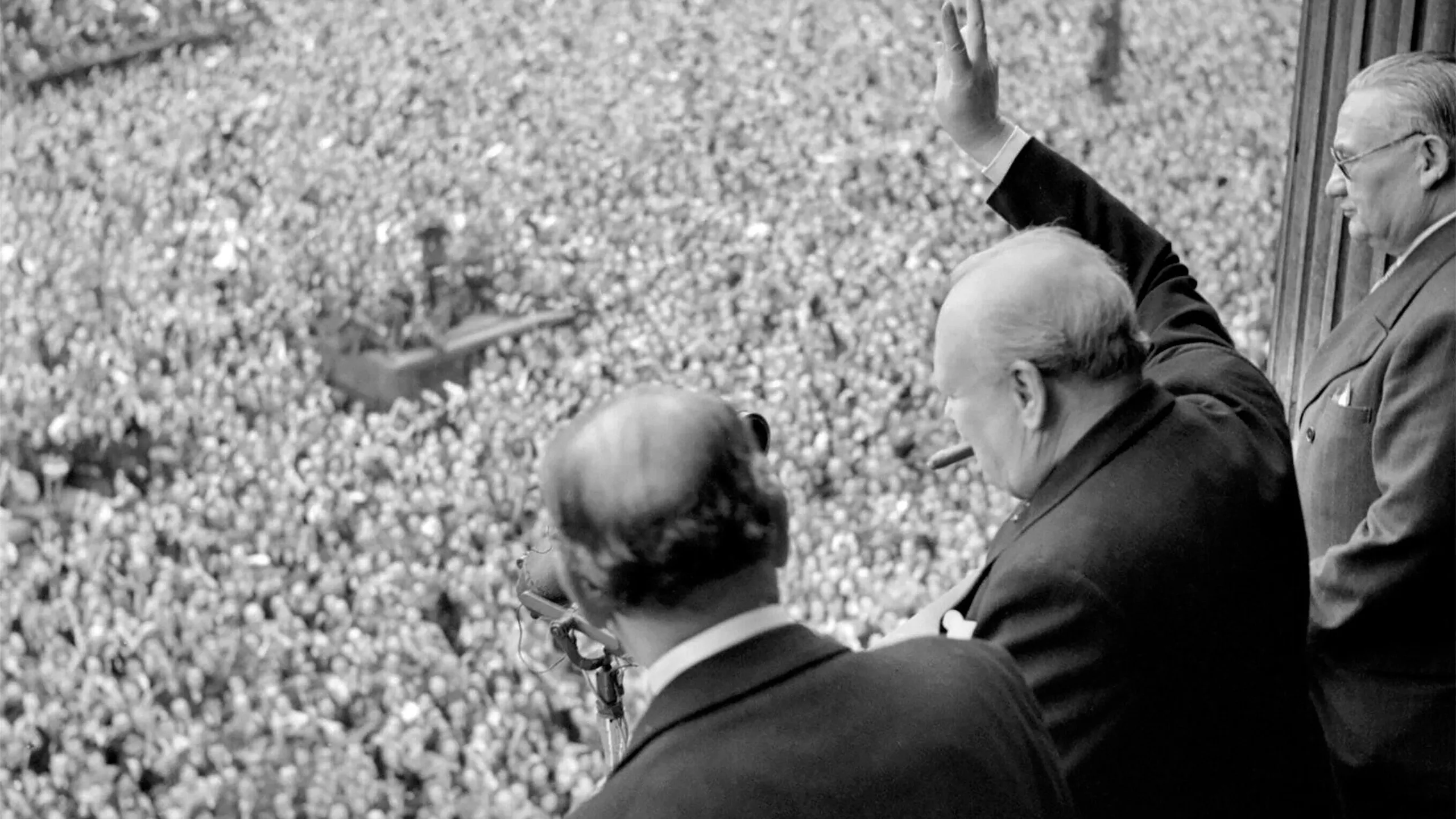
On 6 June 1944, British and American troops landed in Normandy. The operation marked the beginning of the liberation of Western Europe from Nazi Germany. By May 1945, Germany had surrendered.
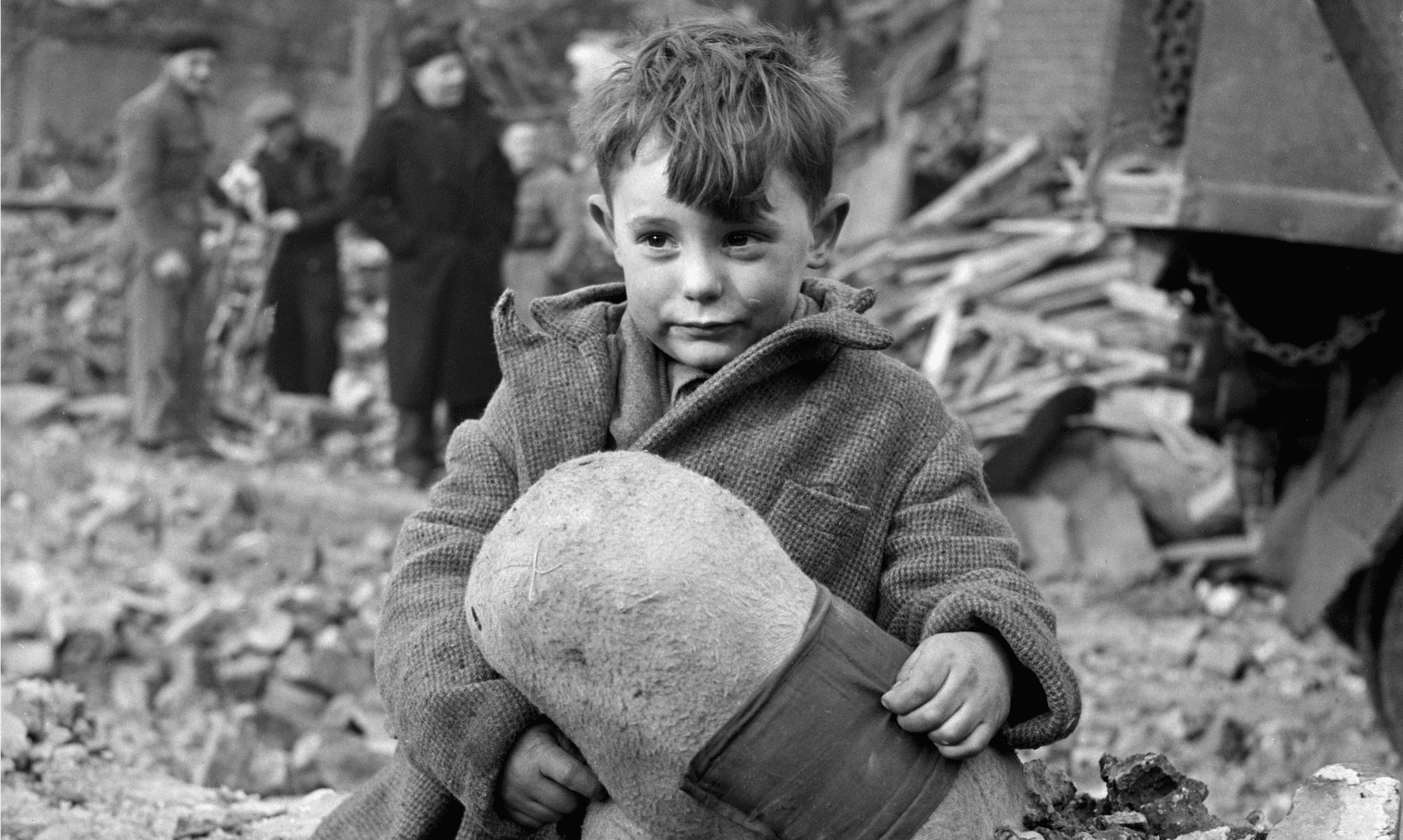
Victory came at a high price for Britain: the country lost around 450,000 people, and the economy took years to recover.
Why preserving the memory of World War II matters today
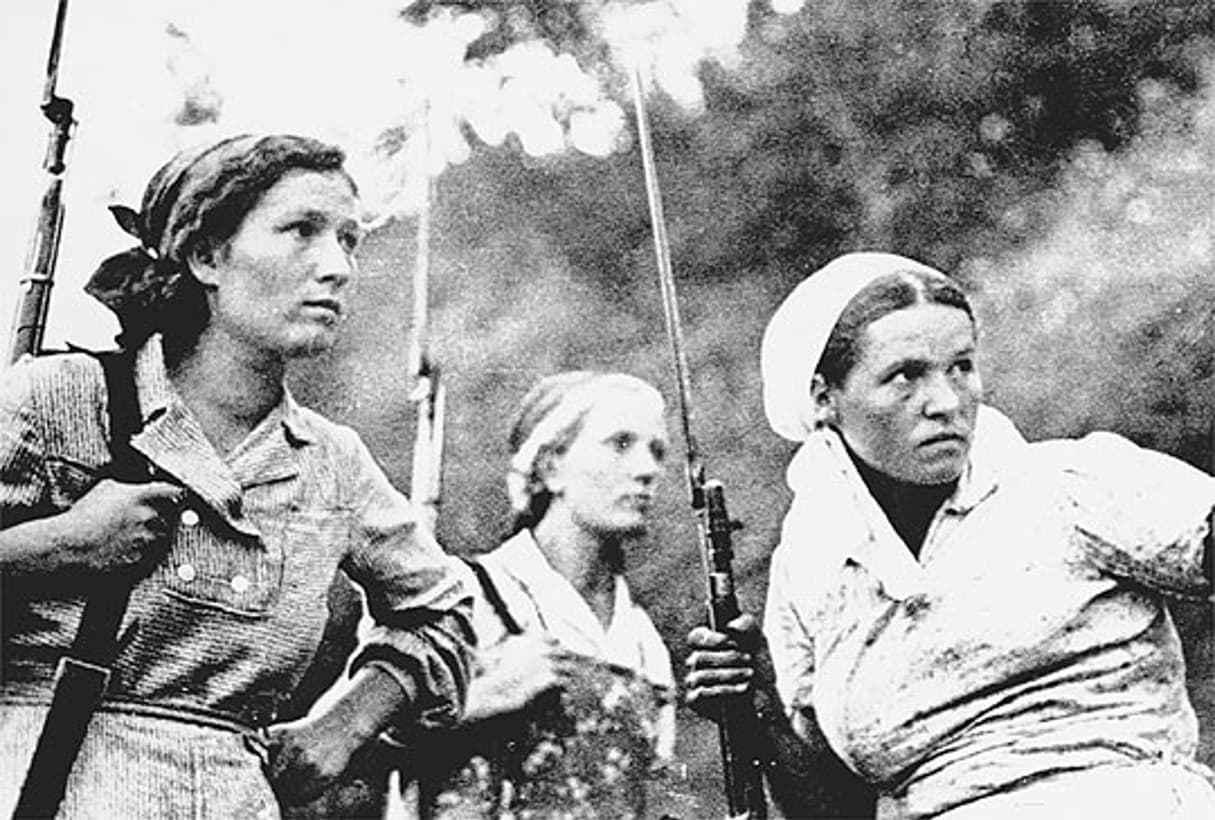
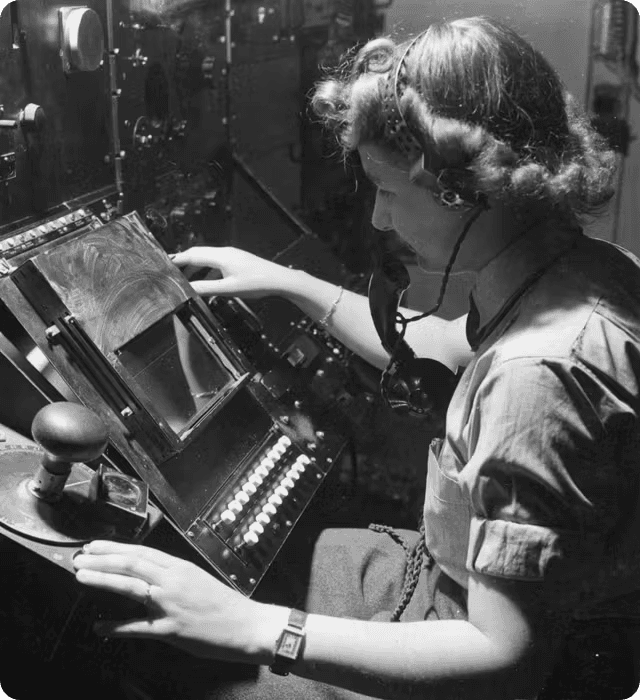
The story of Britain in World War II is not only the story of politicians and generals, but of millions of ordinary people: soldiers, nurses, pilots, sailors, factory workers, and families who lived through the war years.
It is thanks to their resilience that the country endured one of the most difficult periods in world history. Preserving the memory of those people helps us build the future and avoid repeating the mistakes of the past.
How to preserve veterans' memory today
Today, preserving the memory of the wartime generation is not only about marches and local commemorations — it can also be done digitally. On our site moypolk.uk you can find information about veterans, read their stories, and add your own relatives to the registry of memory.
Users can also upload photographs, save family stories, and honour the heroes by lighting an online candle. This keeps the connection between generations alive and makes personal stories part of our shared historical memory.