On 8 May 1945, the war in Europe came to an end. Eighty-one years later, that day still matters — not only as part of national history, but as part of the family memory of millions. A reflection on why preserving personal stories has become more important than ever.
In May 2026, eighty-one years have passed since the end of the war in Europe. Memory of World War II remains an important part of world history and the family memory of millions of people. This article explores why VE Day continues to matter, how ordinary people lived through the war, and why preserving the stories of our relatives is especially important today.
The day that changed Europe
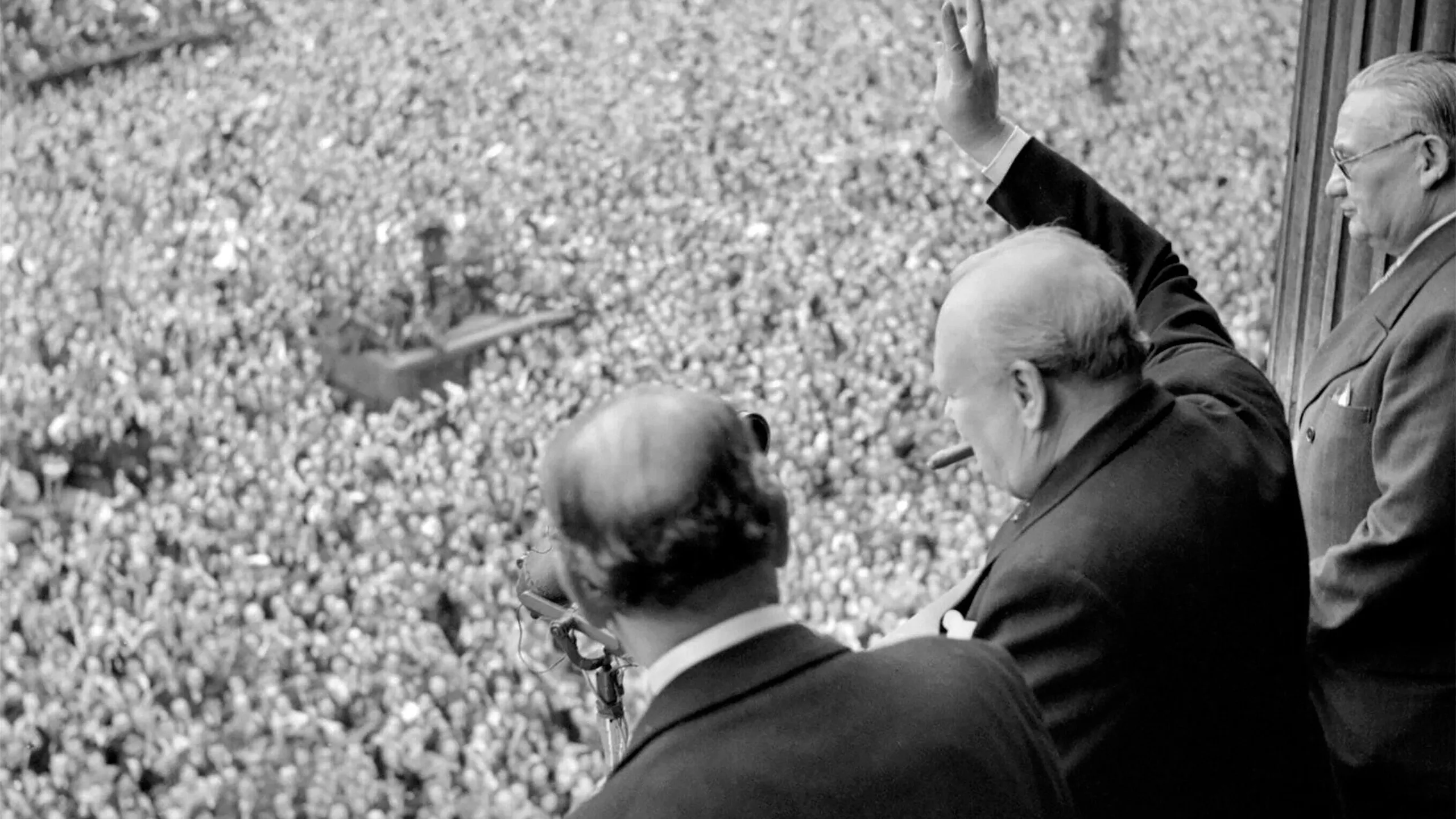
8 May 1945 — VE Day (Victory in Europe Day) — was one of the most important days in European history: the end of the war in Europe and the defeat of Nazi Germany. In the Soviet Union and many post-Soviet countries, victory is commemorated on 9 May, reflecting the time difference at the moment the act of surrender came into force. For both dates, the meaning is the same: for millions of people it marked the end of years of fear, destruction, and loss.
Cities filled with celebrations — crowds in the streets, impromptu concerts, gatherings of strangers and friends. The joy of victory mixed with the memory of everything families had lost during the war.
More than eighty years later, that day still binds generations together.
Stories that should not be lost
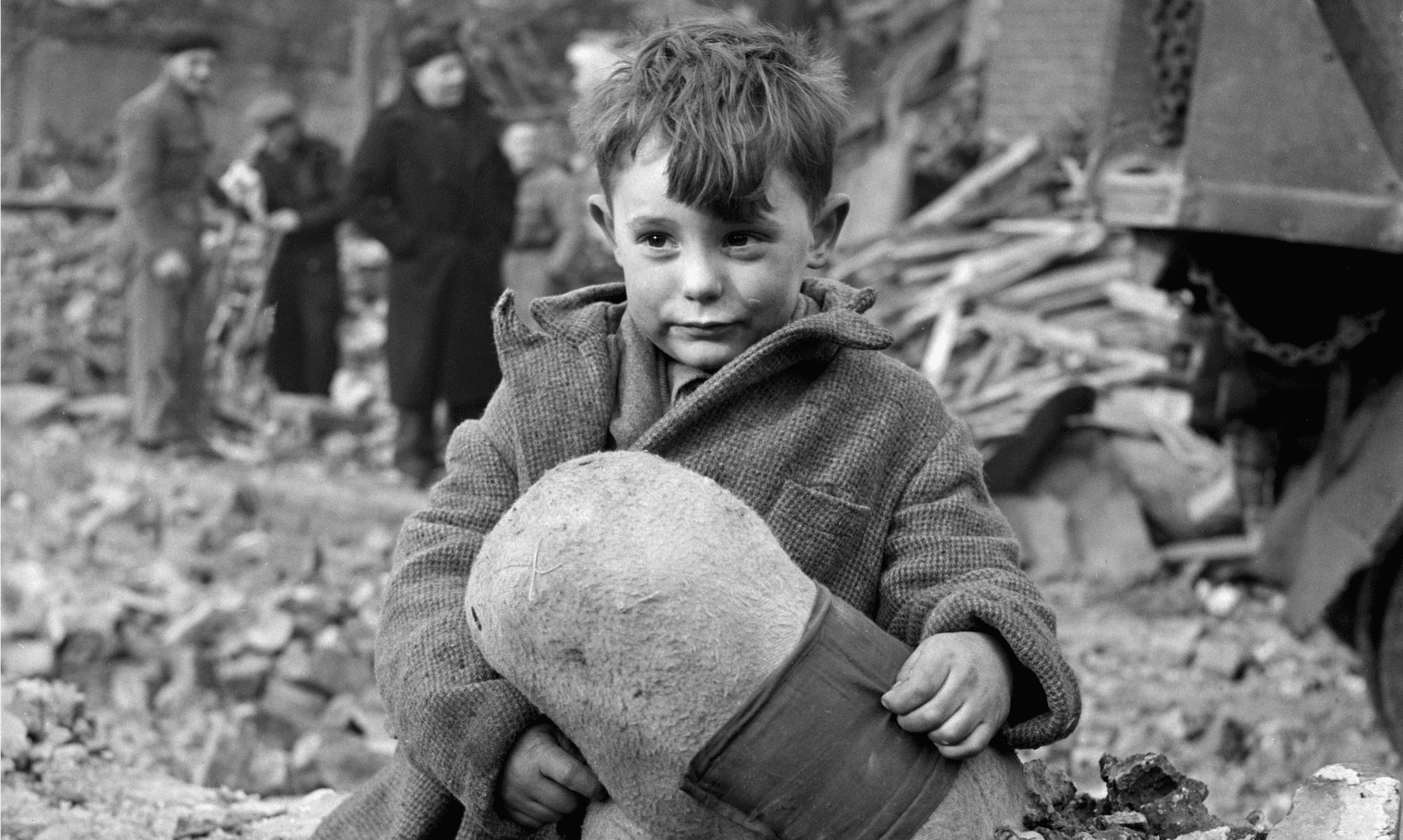
Behind the official dates and historical events stand the lives of ordinary people. During the war, families endured separation, bombing, food shortages, and constant uncertainty.
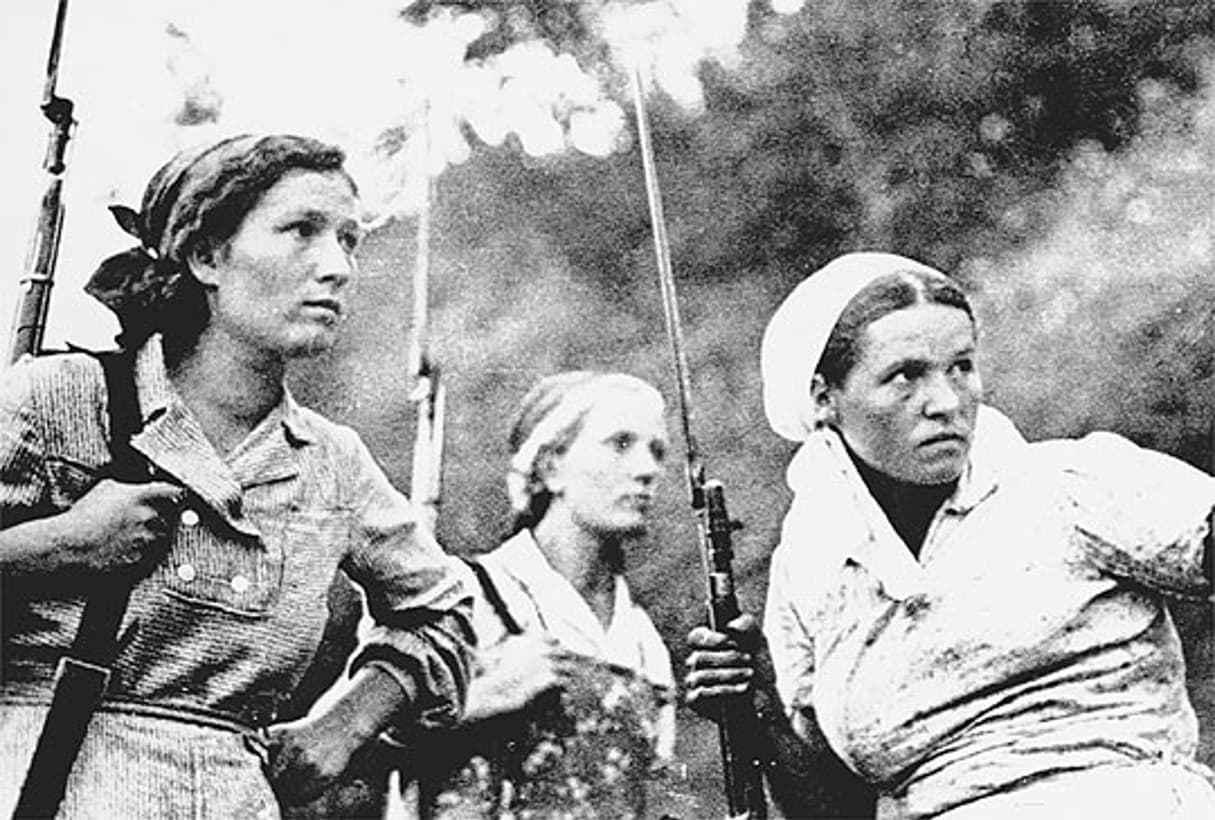
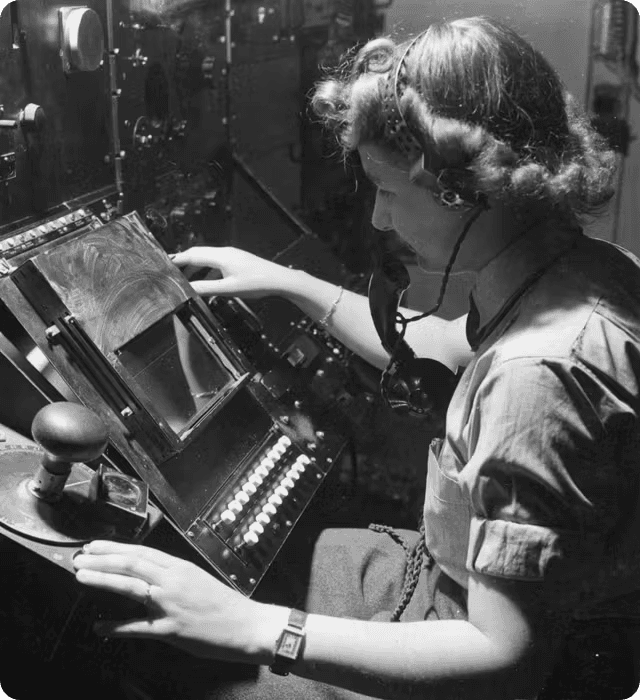
Nurses, firefighters, factory workers, soldiers, volunteers, and ordinary residents kept their countries going day by day. Many of these stories never made it into history books, but they are exactly what reveals the real texture and horror of that time.
Old photographs, newspaper archives, and family recollections allow us to preserve the memory of people who lived through the war and the events of those years.
Why memory may disappear
Each year, fewer living witnesses of World War II remain. As of 2026, only a few thousand surviving participants of combat operations in Europe are still alive. Together with them, personal memories of the events of those years are gradually disappearing.
This is why it is especially important today to talk to older relatives, examine family archives, and preserve the stories of your own family. Even a small recollection or one photograph can become an important part of our shared historical memory.
Memory of the war is not only the history of countries and armies — it is the history of millions of ordinary people.
How to preserve memory today
Modern digital platforms help preserve family stories and make them accessible to future generations. On moypolk.uk you can add a veteran relative to the registry of memory, save their photograph and story, and explore the stories of other participants of the war.
Users can also search for veterans by known information, study archival profiles, and sometimes locate information about people whose trace had been lost for decades.
On the site you can also honour the memory of the heroes by lighting an online candle and contributing to a shared historical memory.
Why this still matters eighty years on
Even after decades, VE Day remains a reminder of the cost of peace and of human resilience.
By preserving the stories of the past today, we help future generations better understand history, value peaceful life, and remember the people thanks to whom Europe survived one of the hardest periods in its history.