Leonid Vladimirovich Butkevich

Леонид Владимирович Буткевич

1918 – 1985
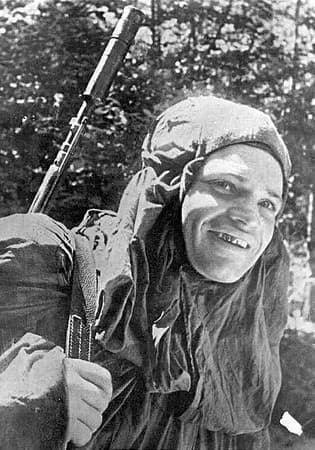
Leonid Vladimirovich Butkevich

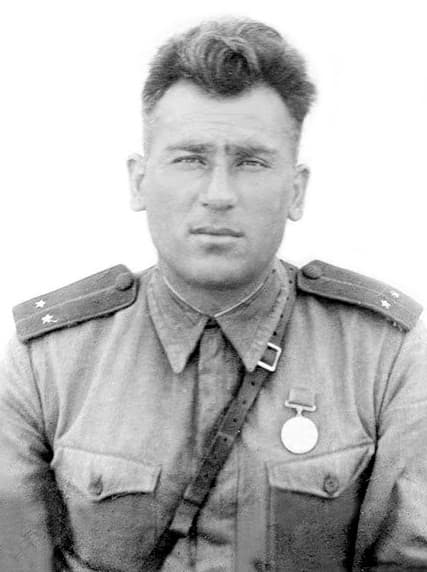
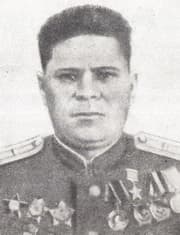
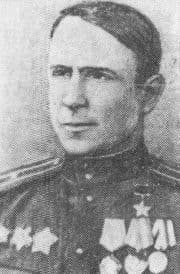
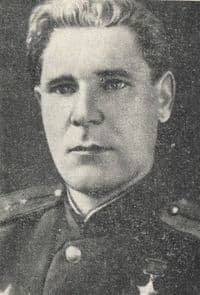
Leonid Butkevich, Hero of the Soviet Union, 1944 — Photograph, 1944, author unknown. Published in Ogonyok no. 23-24, 1944. Via Wikimedia Commons. Public domain in Russia: an anonymous work published in 1944, whose 70-year term expired at the end of 2014.

Virtual Candles

0 lit
Sign in to light a candle

Biography

Leonid Vladimirovich Butkevich was born on 25 March 1918 in the village of Khotlino, now in Chashniki district of Vitebsk region in Belarus, into a worker's family; he was Belarusian. In 1935 he graduated from the Orsha railway-transport technical school and worked as station master at Kolodnya station, now within the city of Smolensk. He was called up in 1937 and took part in the Red Army's march into Western Ukraine in 1939. He fought from the first weeks of the Great Patriotic War on the South-Western, Southern, Transcaucasian and North Caucasus Fronts, and in 1942 joined the party. In the defence of Novorossiysk and the fighting for the Caucasus he became known as a sniper; by the 25th anniversary of the October Revolution, in November 1942, when his tally had passed two hundred, he was presented with a sniper rifle with an optical sight, no. 984. By July 1943 Lieutenant Butkevich, a platoon commander of the 1331st Rifle Regiment, 318th Rifle Division, 18th Army, North Caucasus Front, had killed 315 enemy soldiers and officers with his sniper rifle and had trained more than fifty snipers. By decree of the Presidium of the Supreme Soviet of 25 October 1943 Lieutenant Leonid Vladimirovich Butkevich was made a Hero of the Soviet Union, for exemplary performance of combat tasks and the courage and heroism shown in them, with the Order of Lenin and Gold Star medal no. 1159. A wartime correspondent's account published with his warheroes biography says the news reached the division on the Taman peninsula while it was preparing to land in the Crimea, and that he went with the landing that night. A photograph of him appeared in the magazine Ogonyok in 1944. He went into the reserve in December 1945. He lived in Yessentuki in Stavropol region, where he managed a photographic workshop. He died on 12 November 1985 and is buried in the city cemetery of Yessentuki. He also held the Order of the Red Banner and the Order of the Patriotic War 1st class. A pioneer brigade of the school at Puskovo in Chashniki district bore his name.

Awards & Decorations

  • Hero of the Soviet Union
  • Order of Lenin
  • Order of the Red Banner
  • Order of the Patriotic War 1st Class

Community Contributions

Share what you know

If your family holds a photograph, a letter or a story, you can add it to this page. Everything you send is reviewed before it appears.

Same unit or organisation

Loading...

Comments

Sign in to leave a comment or tribute.

No comments yet. Be the first to share a memory.