Fyodor Vasilyevich Buslov

Фёдор Васильевич Буслов

1921 – 1990
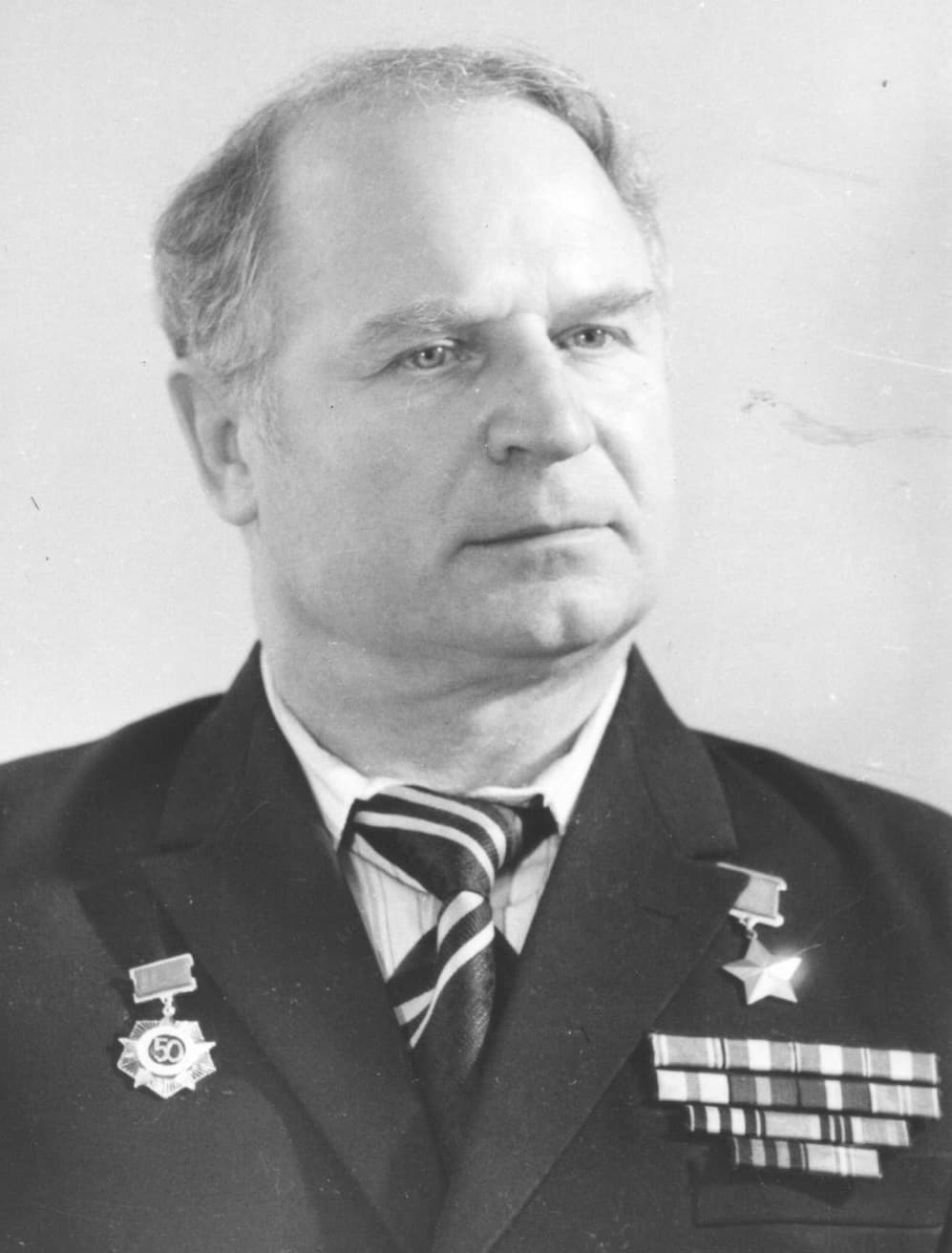
Fyodor Vasilyevich Buslov

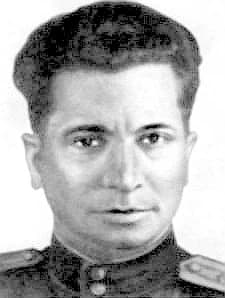
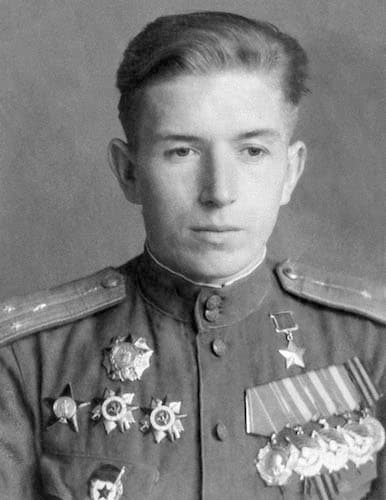
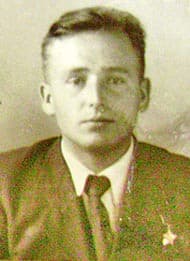
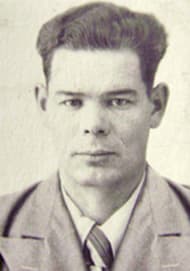
Fyodor Buslov, Hero of the Soviet Union (photograph, 1985) — Photograph, 1985, author unknown. Source: State Catalogue of the Museum Fund of the Russian Federation (goskatalog id 14244221), via Russian Wikipedia.

Virtual Candles

0 lit
Sign in to light a candle

Biography

Fyodor Vasilyevich Buslov was born on 23 February 1921 in the village of Donskaya Negachevka in Zemlyansk uyezd of Voronezh governorate, now in Khlevensky district of Lipetsk region, into a peasant family. His father was later killed at the front. In 1925 the family moved to the Kuzbass, and after some years in Central Asia settled in Kiselyovsk. He finished seven classes of school there in 1938 and in 1938-39 trained at the Prokopyevsk aeroclub, staying on as a flying instructor; from 1939 he was a physical-training instructor at a Kiselyovsk mine and then at the Krasny Kuzbass combine. He was called up in April 1940 by the Kiselyovsk district military commissariat, graduated from the Omsk military aviation school for pilots in 1942 and retrained on the Il-2 ground-attack aircraft in the 34th Reserve Aviation Regiment. He reached the front in August 1943 as a pilot of the 665th Assault Aviation Regiment, which in October 1943 became the 136th Guards Assault Aviation Regiment, and served in it to the end of the war as senior pilot, flight commander and, from April 1945, deputy squadron commander. He fought on the Southern, 4th Ukrainian and 3rd Belorussian Fronts: on the Mius and in the Donbass, at Melitopol, in the Crimea, in Belorussia, in East Prussia and at Königsberg. By 15 April 1945 Guards Senior Lieutenant Buslov, deputy squadron commander of the 136th Guards Assault Aviation Regiment, 1st Guards Assault Aviation Division, 1st Air Army, 3rd Belorussian Front, had flown 183 combat sorties. The record credits him with 7 aircraft destroyed on the ground, more than 20 tanks and assault guns, 120 vehicles and 16 field-artillery batteries, and with 5 aircraft shot down in 35 air battles. By decree of the Presidium of the Supreme Soviet of 29 June 1945 he was made a Hero of the Soviet Union with the Order of Lenin and the Gold Star medal. He ended the war with about 200 sorties; the last, on 8 May 1945, was flown against German troops still holding out on the Baltic coast. He also held three Orders of the Red Banner, the Order of Alexander Nevsky, two Orders of the Patriotic War 1st class and the Order of the Red Star. An injury in a training parachute jump ended his service, and in 1947 he went into the reserve. From 1948 he lived in Novosibirsk and flew Yak-12 aircraft in the civil air fleet. From 1961 he worked at the Novosibirsk Electrotechnical Institute, from 1963 as deputy head of the Novosibirsk aviation enterprise, and from 1975 he directed the institute's Museum of Military and Labour Glory, which he had founded. He died on 8 October 1990 and is buried at the Zayeltsovskoye cemetery in Novosibirsk.

Awards & Decorations

  • Hero of the Soviet Union
  • Order of Lenin
  • Order of the Red Banner (x3)
  • Order of Alexander Nevsky
  • Order of the Patriotic War 1st Class (x2)
  • Order of the Red Star

Community Contributions

Share what you know

If your family holds a photograph, a letter or a story, you can add it to this page. Everything you send is reviewed before it appears.

Same unit or organisation

Loading...

Comments

Sign in to leave a comment or tribute.

No comments yet. Be the first to share a memory.