Victory Day — 9 May — has been commemorated in different ways across the decades since 1945. In the immediate postwar years, the holiday was celebrated with enormous joy and relief. However, under Stalin, it was actually demoted as a public holiday in 1947, not restored until 1965 under Brezhnev.
The modern Immortal Regiment movement began in 2012 in Tomsk, Siberia, when three journalists organised a march carrying portraits of veterans. Within a few years, millions across Russia and dozens of countries were participating.
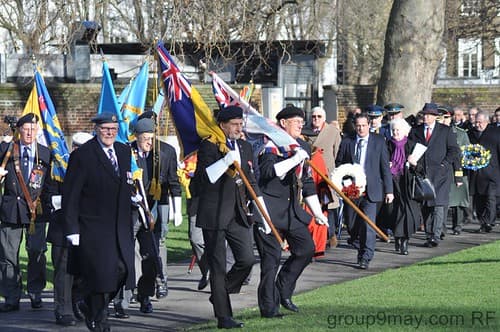
In the United Kingdom, Victory Day events were first organised by diaspora communities in London in the early 2000s. Today, marches and ceremonies take place across 15 cities, bringing together families of British, Soviet, and Allied veterans.
This article traces the evolution of Victory Day from a Soviet military holiday to a global movement of remembrance.
How to cite this document
Related Documents
Have archival materials?
If you have documents, photographs, or letters from the war years, consider contributing them to our historical archive.