20 April 2026Admin2 min read
On 9 May 1945, the guns fell silent across Europe. Nazi Germany had surrendered unconditionally the day before, and the news was broadcast to the Soviet people by radio at 2:10 AM Moscow time. The celebrations that followed were unprecedented — millions of people poured into the streets of Moscow, Leningrad, and cities across the Soviet Union, weeping, embracing, and firing victory salutes into the sky.
In Britain, the celebrations had already begun on 8 May — VE Day (Victory in Europe Day). Winston Churchill addressed the nation at 3:00 PM, and London erupted in celebration. But the joy was tempered by the knowledge that the war in the Pacific continued, and by the immense loss of life.
For decades after the war, 9 May was celebrated with grand military parades in Moscow and other Soviet cities. But as the veterans aged and their numbers dwindled, the day risked becoming a hollow ritual — a display of military hardware disconnected from the personal stories of sacrifice.
The transformation came in 2012, when three journalists in the Siberian city of Tomsk — Sergei Lapenkov, Sergei Kolotovkin, and Igor Dmitriyev — organised the first Immortal Regiment march. The concept was simple: instead of watching a military parade, ordinary people would walk through the streets carrying photographs of their family members who had served in the war.
That first march in Tomsk drew 6,000 participants. By 2015, the movement had spread across Russia and to dozens of countries around the world, with millions taking part. The march transformed Victory Day from a state-managed spectacle into a deeply personal act of remembrance.
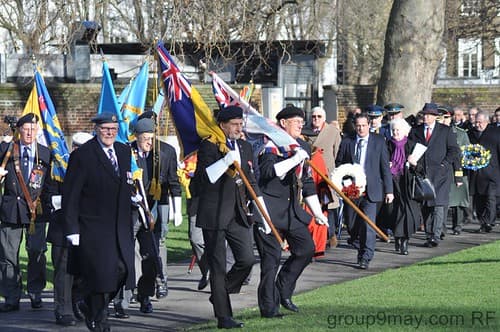
In the United Kingdom, the Immortal Regiment movement began in London in 2015, with a small group of families walking through Kensington Gardens. Since then, it has grown to include marches in cities across the country — London, Edinburgh, Manchester, Glasgow, Bristol, Birmingham, and more.
The moypolk.uk platform was created to give UK-based families a permanent home for their veterans' stories, ensuring that the memories of those who served — whether in the British Armed Forces, the Soviet Army, or as civilians — are preserved for future generations.
Today, Victory Day is observed not just as a celebration of military victory, but as a day to remember the human cost of war and to honour the individuals who made that victory possible.
How to cite this document
Admin. (2026). Victory Day: How 9 May Became the Day of Remembrance. My Regiment UK / Мой Полк UK. Retrieved 26 September 2026, from https://moypolk.uk/documents/victory-day-how-9-may-became-day-of-remembrance
Related Documents
Have archival materials?
If you have documents, photographs, or letters from the war years, consider contributing them to our historical archive.