20 April 2026Admin1 min read
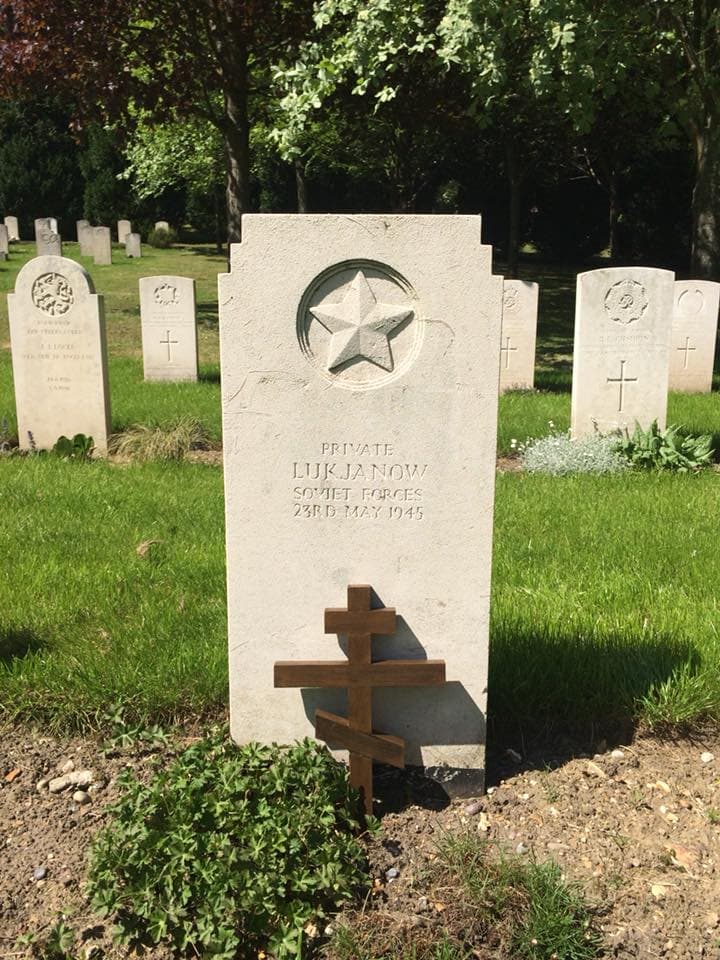
During the Second World War and in its immediate aftermath, thousands of Soviet prisoners of war found themselves in camps administered by British forces across Western Europe and the United Kingdom.
The circumstances that brought Soviet soldiers into British custody were varied. Some had been captured by German forces and subsequently liberated by the Western Allies during the advance through France, Belgium, and Germany in 1944–45. Others had been forced into labour battalions or had served in German-organized auxiliary units under duress.
British-administered camps in the UK housed several hundred Soviet nationals between 1944 and 1947. The conditions in these camps were generally adequate, though the uncertainty of their future weighed heavily on the prisoners. Under the terms agreed at the Yalta Conference in February 1945, all Soviet citizens were to be repatriated to the Soviet Union, regardless of their wishes.
The repatriation process proved deeply controversial. While many Soviet POWs genuinely wished to return home, others feared persecution by the Soviet authorities for having surrendered or collaborated, even under extreme duress.
Records from the National Archives at Kew contain extensive documentation of these camps, including nominal rolls, medical records, and correspondence between British military authorities and Soviet liaison officers.
How to cite this document
Admin. (2026). Soviet POWs in British Camps: 1944–1947. My Regiment UK / Мой Полк UK. Retrieved 26 September 2026, from https://moypolk.uk/documents/soviet-pows-british-camps
Related Documents
Have archival materials?
If you have documents, photographs, or letters from the war years, consider contributing them to our historical archive.