26 March 2026Admin1 min read
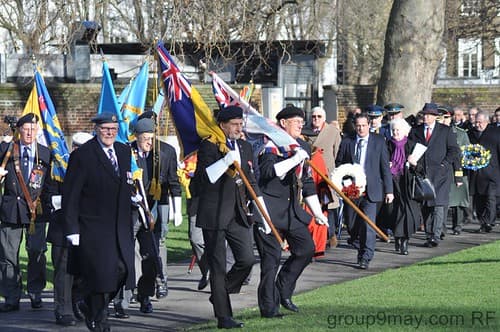
Britain has a deep and enduring tradition of honouring those who gave their lives in war. From the annual Remembrance Sunday ceremony at the Cenotaph in Whitehall to the two-minute silence on 11 November, these rituals connect generations to the sacrifices of the past.
The Royal British Legion, founded in 1921, continues to support veterans and their families. The poppy appeal, inspired by the poem "In Flanders Fields", remains one of the most recognisable symbols of remembrance worldwide.
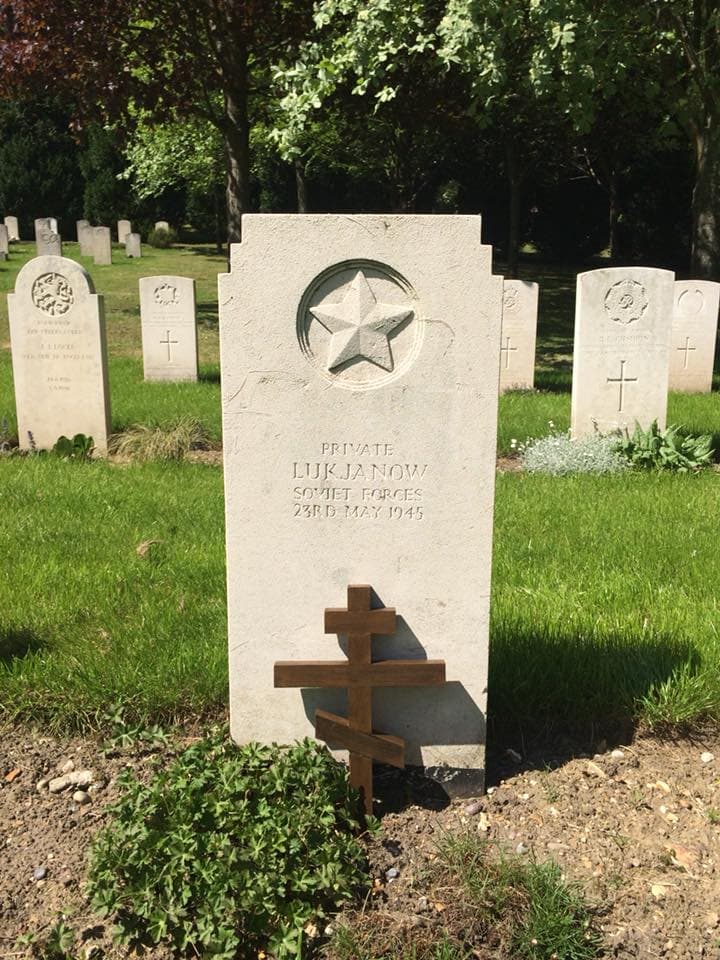
The Commonwealth War Graves Commission maintains the graves and memorials of 1.7 million Commonwealth service members who died in the two World Wars — a vast and solemn undertaking that spans 23,000 locations in over 150 countries.
In recent years, new forms of remembrance have emerged. The Immortal Regiment march, originating in Russia in 2012, has become a powerful way for families to honour their veterans by carrying their photographs through the streets on Victory Day, 9 May.
In the United Kingdom, the movement brings together families of British, Soviet, and Allied veterans. The Immortal Regiment UK digital platform extends this tradition online, creating a permanent registry where every veteran's story can be preserved and shared.
As the generation who lived through the war passes on, these new forms of remembrance become ever more important. They ensure that the stories, sacrifices, and lessons of the Second World War are not lost to time.
Sources: Royal British Legion, Commonwealth War Graves Commission, Imperial War Museum
How to cite this document
Admin. (2026). Remembrance and Legacy: How Britain Honours Its War Dead. My Regiment UK / Мой Полк UK. Retrieved 26 September 2026, from https://moypolk.uk/documents/remembrance-legacy-honouring-war-dead
Related Documents
Have archival materials?
If you have documents, photographs, or letters from the war years, consider contributing them to our historical archive.