18 April 2026Admin1 min read
The Arctic convoys that ran between Britain and the Soviet Union from 1941 to 1945 represent one of the most dangerous naval operations of the Second World War. This article examines the human dimension of these operations, focusing on Soviet naval personnel who spent time in British ports.
Between August 1941 and May 1945, 78 convoys sailed between Britain and the Soviet ports of Murmansk and Archangelsk, delivering vital war materiel including tanks, aircraft, ammunition, and food. The convoys faced constant threats from German U-boats, surface raiders, and Luftwaffe attacks, particularly in the waters around Norway.
Soviet naval crews often spent days or weeks in British ports waiting for convoy assembly. The main departure ports were Liverpool, Loch Ewe in Scotland, and Hvalfjördur in Iceland. During these waiting periods, Soviet sailors interacted with British naval personnel and local civilians, creating brief but meaningful cultural exchanges.
Records from the Soviet Naval Archives indicate that approximately 3,000 Soviet naval personnel visited British ports during the war years. Most were merchant navy crew, but the number also includes military escorts and liaison officers. British port records, held at the National Archives, document the arrival and departure of Soviet vessels but contain limited information about individual crew members.
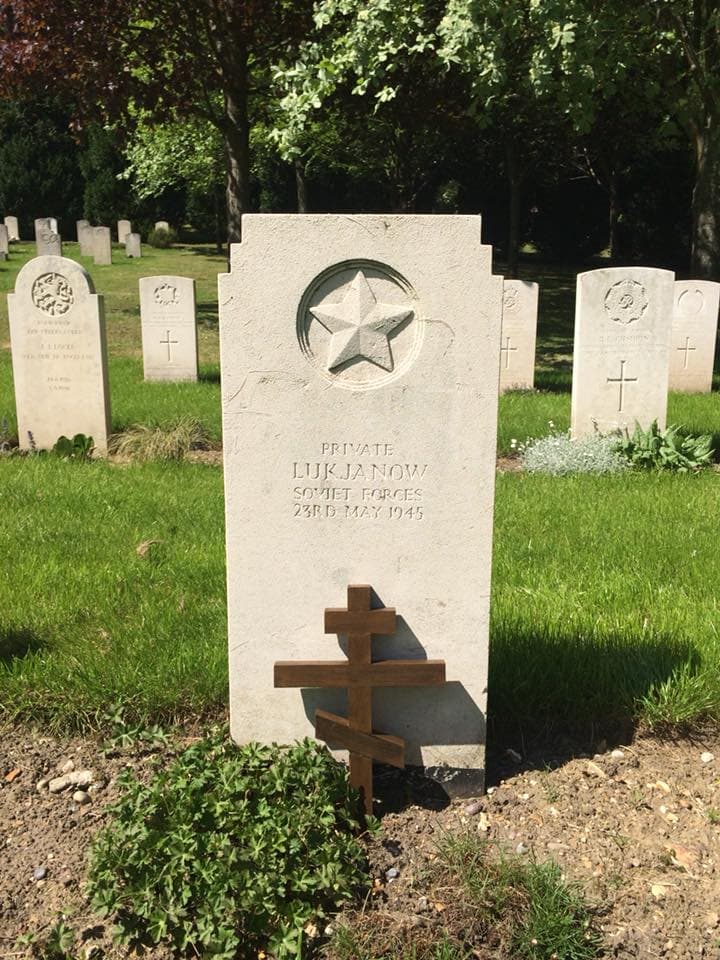
The article draws on testimonies from Soviet veterans published in post-war memoir collections, British Admiralty records, and declassified Soviet Naval Staff documents. It highlights several cases where Soviet sailors who died in British waters were buried in UK cemeteries — graves that are now documented in the moypolk.uk archive.
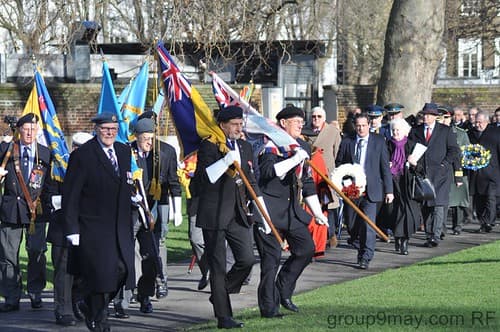
The legacy of the Arctic convoys remains a powerful symbol of Anglo-Soviet wartime cooperation and is commemorated annually in both countries.
How to cite this document
Admin. (2026). The Northern Convoys: Soviet-British Naval Cooperation 1941–1945. My Regiment UK / Мой Полк UK. Retrieved 26 September 2026, from https://moypolk.uk/documents/northern-convoys-soviet-british-naval-cooperation
Related Documents
Have archival materials?
If you have documents, photographs, or letters from the war years, consider contributing them to our historical archive.