20 April 2026Admin1 min read
The Immortal Regiment began in 2012 in the Siberian city of Tomsk, when three journalists organised a march in which participants carried photographs of their relatives who had served in the Second World War.
The idea was simple but profoundly moving: rather than watching a formal military parade, ordinary citizens would walk through the streets carrying the portraits of their own family members — soldiers, partisans, resistance fighters, home-front workers — transforming Victory Day from a state ceremony into a deeply personal act of remembrance.
From those first six thousand marchers in Tomsk, the movement spread rapidly. By 2015, an estimated twelve million people participated across Russia. The movement crossed borders, with marches organised in dozens of countries including the United Kingdom.
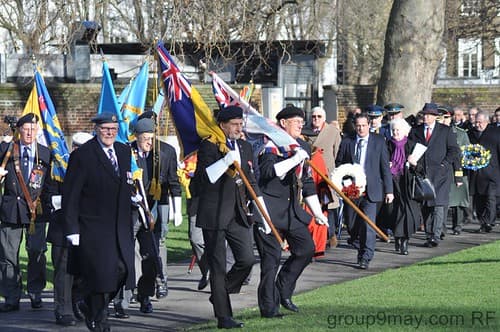
In the United Kingdom, the Immortal Regiment has held annual marches since 2015, primarily in London. Participants gather carrying photographs of their relatives. The London march typically proceeds through central London, creating a striking visual tribute.
The movement in the UK serves a dual purpose: preserving family memory for the diaspora community, and educating the broader British public about the Eastern Front and the immense Soviet contribution to the Allied victory.
The moypolk.uk platform was created to extend this mission into the digital sphere, providing a permanent registry where families in the UK can preserve the memory of their veteran relatives.
How to cite this document
Admin. (2026). The Immortal Regiment Movement: Origins and Growth. My Regiment UK / Мой Полк UK. Retrieved 26 September 2026, from https://moypolk.uk/documents/immortal-regiment-origins
Related Documents
Have archival materials?
If you have documents, photographs, or letters from the war years, consider contributing them to our historical archive.