The Forgotten Alliance: Britain and the Soviet Union 1941-1945
When Germany invaded the Soviet Union on 22 June 1941, Winston Churchill — a lifelong anti-communist — did not hesitate. That same evening, he broadcast to the nation: 'Any man or State who fights against Nazism will have our aid.' Within days, Britain and the Soviet Union signed a mutual assistance agreement, and one of history's most unlikely alliances was born.
Arctic Convoys: The Lifeline to Murmansk
The most tangible expression of the alliance was the Arctic convoy programme. Between August 1941 and May 1945, 78 convoys sailed from Britain to the Soviet ports of Murmansk and Archangelsk, carrying over 4 million tonnes of supplies including 7,000 aircraft, 5,000 tanks, and millions of tonnes of food and raw materials. The Arctic route was the most dangerous convoy run of the war — ships faced U-boats, Luftwaffe bombers, Arctic storms, and temperatures that could kill in minutes. Over 3,000 British and Allied merchant seamen died on the Arctic run.
Shared Sacrifice, Shared Victory
The scale of Soviet sacrifice is almost impossible to comprehend. The Soviet Union lost approximately 27 million people — more than any other nation. The battles of Stalingrad, Kursk, and the siege of Leningrad remain among the most devastating events in human history. Britain's losses, while smaller in absolute terms, were felt just as deeply by the families who mourned.
The Legacy Today
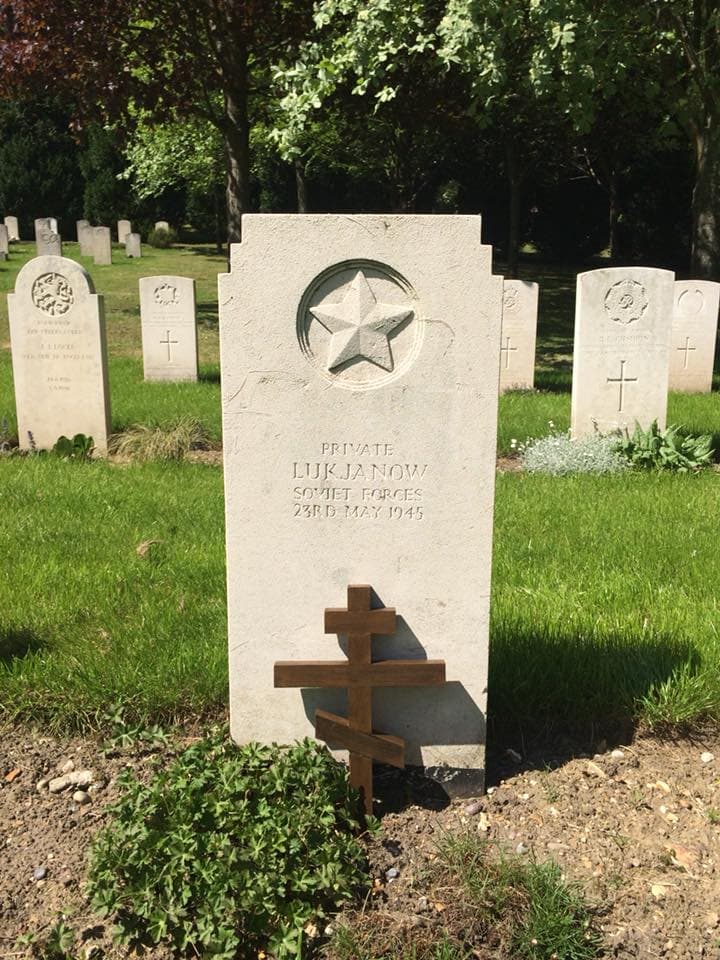
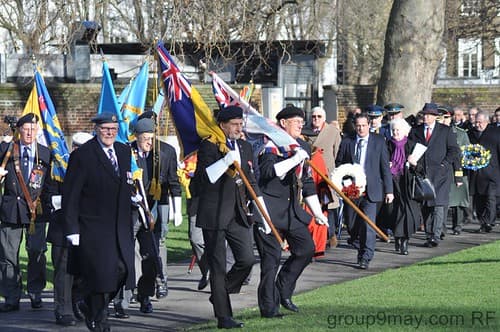
The Immortal Regiment UK exists at the intersection of these two traditions of remembrance. By carrying the portraits of veterans from both nations, we honour the alliance that defeated fascism and the shared humanity that transcends political differences.
How to cite this document
Related Documents
Have archival materials?
If you have documents, photographs, or letters from the war years, consider contributing them to our historical archive.