The Paradox of Emigration
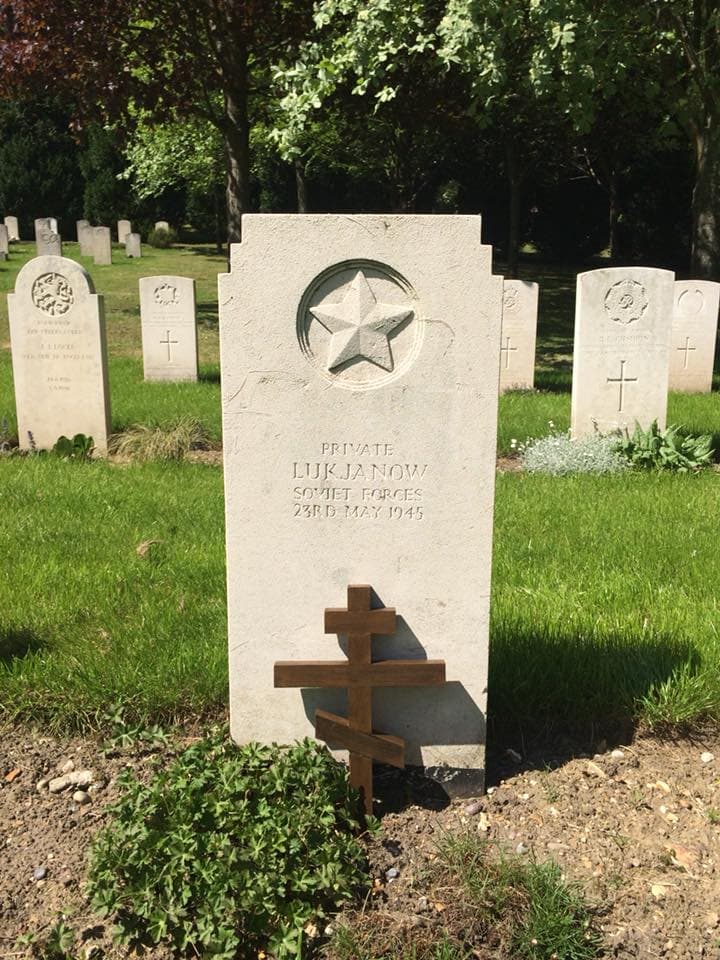
Soviet veterans who emigrated to Britain during the Cold War faced a unique paradox. They were proud of their service in defence of the Motherland yet had chosen to leave that same Motherland for a country that was, in geopolitical terms, an adversary. This tension shaped their experiences for decades.
Waves of Emigration
Soviet veterans arrived in Britain in several distinct waves. The first wave, immediately after the war, consisted largely of displaced persons and refugees who chose not to return to the Soviet Union. Later waves came during the Khrushchev Thaw of the 1960s, the Brezhnev-era emigration of the 1970s, and the large-scale emigration following the collapse of the Soviet Union in 1991.
Community Building
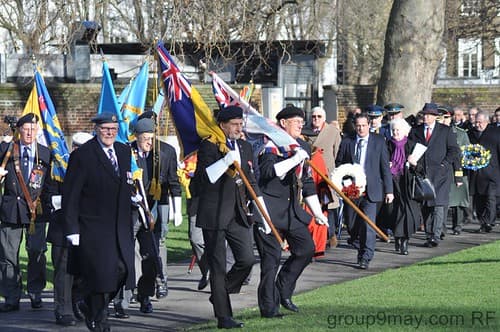
In Britain, these veterans formed close-knit communities that preserved both their wartime memories and their cultural heritage. Veterans' associations in London, Manchester, and Edinburgh organised annual Victory Day commemorations, often quietly and out of public view during the tensest years of the Cold War.
Recognition
It was only with the end of the Cold War and the growing Immortal Regiment movement that many of these veterans' stories became more widely known and celebrated in Britain.
How to cite this document
Related Documents
Have archival materials?
If you have documents, photographs, or letters from the war years, consider contributing them to our historical archive.