10 April 2026Admin1 min read
Between August 1941 and May 1945, 78 convoys sailed between Britain and the Soviet Union via the Arctic route, delivering over four million tonnes of war supplies including tanks, aircraft, ammunition, food, and raw materials. The convoys faced extreme dangers: sub-zero temperatures, perpetual darkness in winter, storms, German U-boats, surface raiders, and Luftwaffe bombers operating from occupied Norway.
The most famous convoy, PQ-17, sailed in June 1942. After receiving intelligence that the German battleship Tirpitz had put to sea, the Admiralty ordered the convoy to scatter — a catastrophic decision that left individual merchant ships defenceless. Of 35 ships, only 11 reached Soviet ports.
Despite the losses, the Arctic convoys were strategically crucial. Winston Churchill called the Arctic route "the worst journey in the world." The supplies delivered through this route played a significant role in sustaining the Soviet war effort during the most critical period of the Eastern Front.
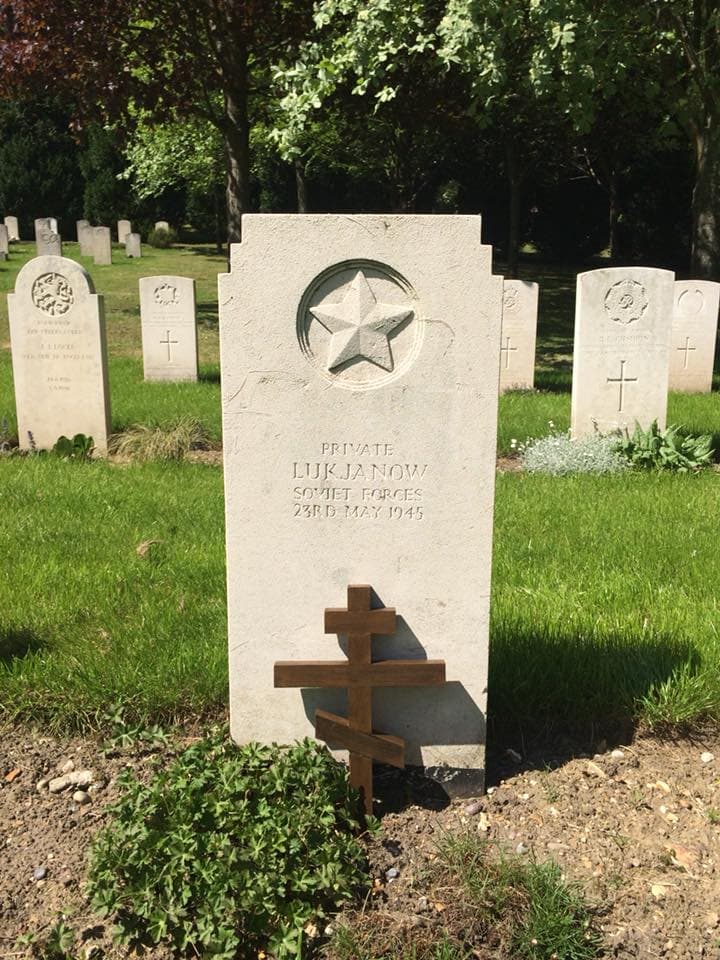
British and Soviet sailors who perished on the Arctic route are commemorated together — a shared sacrifice that connects Britain and the Soviet Union in ways that transcend politics. Several Soviet naval personnel who died in British waters are buried in UK cemeteries documented in our archive.
How to cite this document
Admin. (2026). The Arctic Convoys: Britain's Lifeline to the Soviet Union. My Regiment UK / Мой Полк UK. Retrieved 26 September 2026, from https://moypolk.uk/documents/arctic-convoys-britain-soviet-union
Related Documents

Have archival materials?
If you have documents, photographs, or letters from the war years, consider contributing them to our historical archive.